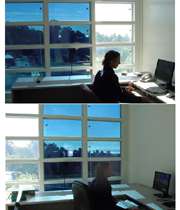
Scientists from China and the US have produced glass that responds to its environmental temperature, making it a promising material for energy efficient windows. On cold days, the windows would prevent heat escaping and on hot days, the windows would reflect infrared radiation, keeping the room inside cool. 

Vanadium dioxide (VO2) has long been recognised as a potential candidate material for making 'smart windows' because it can change from a transparent semiconductive state at low temperatures, allowing infrared radiation through, to an opaque metallic state at high temperatures, while still allowing visible light to get through. VO2 has its drawbacks, however: it's not a very good insulator and can only be made at very high temperatures of 420-500°C.

Multi-layered glass for smart windows
A vanadium oxide layer combined with fluorine-doped tin oxide on glass is a promising material for energy efficient windows

Zhong Lin Wang at the Georgia Institute of Technology, Atlanta, and co-workers at the   Shanghai Institute of Ceramics Chinese Academy of Sciences and the Graduate University of Chinese Academy of Sciences in Beijing, have created a system with improved insulating ability by combining a layer of VO2 with a transparent fluorine-doped tin oxide (FTO) layer coated on glass. As an added benefit, the  FTO layer enhances the crystallinity of the VO2 film - an important factor for improving the material's performance and reducing its cost - and lowers the synthesis temperature to 390°C.

'Buildings and maintaining man-made structures use 30-40 per cent of the primary energy supply, mainly for heating, cooling, ventilation and lighting. Effective control of the energy exchange between the interior and exterior of buildings through windowpanes is a key area in saving energy,' says Yanfeng Gao, one of the researchers. 'We conducted this research to create a film that can combine the functions of low emissivity and thermochromic coatings.'

Materials expert Seeram Ramakrishna, from the National University of Singapore, sees advantages to the group's approach. However, he also feels that improvements could be made to optimise the system. The work 'doesn't attempt to bring down the transition temperature of VO to room temperature, which would be desirable if it is to have practical technological applications,' he says.   

Gao now hopes to realise his dream of seeing the smart windows go into mass production.

Heather Montgomery


ادامه مطلب
تاريخ : دوشنبه سی ام آبان ۱۳۹۰ | 22:48 | نویسنده : علیرضا حسینی |

Batch Plant Process

The batch house is one of the most essential parts of a glass manufacturing site. Allowed down times are normally extremely short which implicates that the batch house operation has to be very reliable. Taking into account that such a batch house normally needs to supply several different recipes of raw material batches to multiple high pull rate furnaces it becomes clear that batch house design and automation asks for lot of “glass expertise”.

With up to 2.800 I/O points Batch House Automation systems are even more complex than furnace automation systems. Invensys Eurotherm delivers system conceptual design, detailed engineering, cabinet building, system programming, testing and installation and commissioning to actual silo and hopper filing, batch weighing, batch transport, mixing and cullet returns.

The batch process of the glass facility is normally divided into four sections. Each of the sections, or process cells, can be controlled either from the Distributed Control System (DCS) or from the Local Control System (LCS).

Silo feeding

It consists of feeding the raw matarial into one of multiple silos or hoppers. When unloaded from the trucks raw material is conveyed through a series of bucket elevators and conveyor belts to the silica, soda ash, limestone, feldspar or sodium sulphate silo. Each of these silos are fitted with level transmitters, pressure switches and over pressure flaps that are all mounted and controlled by the Eurotherm Foxboro PAC System. The silos will have a series of dedusting units that help in trapping the excess dust, which tends to rise as the silos get filled up. These dedusting units comprise of dust collectors and blower fans. At every stage magnetic separators will prevent iron impurities finding their way into silos.

Batch weighing and transport

This section deals with the weighing, dosing and transport issues of the batch plant. Dosing into the weigh scales is either through screw feeders, pneumatic feeders or vibrating feeders.

Both coarse and fine dosing from the feeders into the weigh scales is controlled by Eurotherm AC inverters. The time and sequenced dosing of the raw material is completely controlled by the Eurotherm Suite System. The conveyors are again controlled by Eurotherm AC inverters.

Weighing & Batching software screenshot
Batching status

Mixers

Normally a plant is equipped with several mixers each driven by a 110kW motor that can be controlled with a Eurotherm flux vector AC drive. Raw material is fed to the mixer that has to be filled through a swivel pipe. The Invensys-Eurotherm Foxboro PAC also controls the elaborate water and oil feeding options that are used to ensure that the mix reaches the desired consistency before it is fed on to the main conveyor belt.

Cullet is added to the mix on the conveyor belt to get the final mixture that is ready to be loaded in the furnace. When the final mix is not of the desired quality it is rejected and fed to a waste hopper.

Single or multiple batch chargers takes the final mix form the furnace silos from where it is fed into the melting furnace.

Cullet and cullet return

As almost every glass producer is using cullet from external suppliers or cullet that is returned from its own production line. The cullet handling part of the control system deals with the loading of the cullet silo with material of the cullet yard as well as the cullet crushing and return from the float line. Invensys Eurotherm AC inverters control the operation of line crushers, water crushers finger drops and breakers as well as the conveyor belts that transport the cullet directly back into the batching process or to the cullet yard. Incoming cullet from external sources is loaded into a hopper that feeds the cullet to a series of crushers. On its way to the cullet silo the cullet passes magnetic detectors and magnetic separators that keep iron parts away from the silo and finally from the raw glass melt.

Safety

From a safety point of view the systems supplied are in compliance with all the relevant safety and machine directives. Emergency stop switches, pull cord switches zero speed detector units and belt sway detectors secure to bring the plant into a safe state when an emergency does arise.


Glass batch plant


ادامه مطلب
تاريخ : دوشنبه سی ام آبان ۱۳۹۰ | 16:50 | نویسنده : علیرضا حسینی |

To enhance the glass melting process, increase throughput, improve glass quality and to reduce CO2 emissions electrical furnace boosting is often used. It also provides a useful control parameter for advanced glass temperature control strategies and pull rate fluctuation compensation


Electrical Furnace and Forehearth Boosting


ادامه مطلب
تاريخ : دوشنبه سی ام آبان ۱۳۹۰ | 16:44 | نویسنده : علیرضا حسینی |

Bath Roof Heating 

The multiple zones of a tin bath roof require a huge electrical heating system that takes care of hundreds of silicon-carbide (SiC) heating elements. In order to guarantee the lifetime of those electrodes combined with the highest energy efficiency they have to be controlled in a special way.

Tin Bath Roof and Annealing Lehr Heating Systems for Float Applications


.

Annealing Lehr Heating

Annealing is a process of slowly cooling glass to relieve internal stresses after it was formed. The process is carried out in a temperature-controlled Lehr.  Glass which has not been annealed is liable to crack or shatter when subjected to a relatively small temperature change or mechanical shock. Annealing glass is critical to its durability. If glass is not annealed, it will retain many of the thermal stresses caused by quenching and significantly decrease the overall strength of the glass.

In the annealing process the glass is heated until the temperature reaches a stress-relief point, that is, the annealing temperature (also called annealing point) at a viscosity, η, of 1013 Poise = 1012 Pa·s, at which the glass is still too hard to deform, but is soft enough for the stresses to relax. The piece is then allowed to heat-soak until its temperature is even throughout. The time necessary for this step varies depending on the type of glass and its maximum thickness. The glass is then slowly cooled at a predetermined rate until its temperature is below the strain point (η = 1014.5 Poise). Following this, the temperature can safely be dropped to room temperature at a rate limited by the heat capacity, thickness, thermal conductivity, and thermal expansion coefficient of the glass. After the annealing process the material can be cut to size, drilled or polished.

Next to necessarily well controlled annealing process, the control system also needs to take care for energy efficiency. In most of the cases the incoming glass containers will introduce enough heat to the annealing lehr by themselves and therefore a well designed temperature and draft control will result in best annealed glass as well as in low energy consumption.


ادامه مطلب
تاريخ : دوشنبه سی ام آبان ۱۳۹۰ | 16:42 | نویسنده : علیرضا حسینی |


تاريخ : یکشنبه بیست و نهم آبان ۱۳۹۰ | 10:48 | نویسنده : علیرضا حسینی |


The bathroom is one of the most intimate places in your home.

It needs to be a place you feel comfortable in, a space you enjoy spending time making yourself ready to face the day ahead.

We offer you a range of shower screen alternatives to complement the bathroom you are creating to enjoy every day.

Easy to maintain and clean

The smooth contoured profiles of this showerscreen range means minimal soap and residue can accumulate, making cleaning and maintenance simple.


تاريخ : یکشنبه بیست و نهم آبان ۱۳۹۰ | 10:44 | نویسنده : علیرضا حسینی |

Being safety conscious is important in your home or work place environment. So is creating a space that is visually appealing and inspiring. That is why Walshs Balustrading and Pool Fencing is the perfect choice for every situation.

Functional and modern with slim designs that enhance surroundingss, our Balustrading and Pool Fencing combines elegance, quality and strength. Expertly installed and with structural flexibility they are the perfect solution for balconies, pool surrounds, café screens or internal
screens in a commercial environment.


تاريخ : یکشنبه بیست و نهم آبان ۱۳۹۰ | 10:43 | نویسنده : علیرضا حسینی |
Advanced flat glass in the report is defined as automotive glass, electronic display glass, low-e glass and solar glass.

The market size of automotive glass approximates USD15 billion, with around USD13 billion from OE market and USD2 billion from AM market. In OE market, the five titans including AGC, NSG, Fuyao, PGW and Saint-Gobain occupy approximately 85% altogether in the global market, indicating a very high entry threshold.

As for the electronic display glass market, the market size is about USD16.5 billion, of which, large size TFT-LCD substrate registers around USD15.7 billion. As the production of glass substrate requires sophisticated technologies, only four companies, namely, US-based Corning, Japan-based AGC, Nippon Electric Glass and AvanStrate, can make the product. As the world’s largest glass substrate manufacturer jointly invested by Corning and Samsung, Samsung Corning realized revenue of USD4.856 billion in 2010, with the gross margin exceeding 75% as opposed to 5-8% of ordinary flat glass.  

Low-E glass and solar glass are among the hottest investment topics at present, but their gross margin is far less than that of large size TFT-LCD substrate.

In Europe and the USA, the utilization rate of low-E glass is extremely high, but very few buildings are erected each year. In contrast, China inputs huge amounts of money to build public and commercial buildings each year, so it is the largest market of low-E glass. In China’s civil architecture field, the penetration rate of low-e glass is very low due to the exorbitant price, and the market size will see no considerable growth in the short run.

European and American enterprises are taking leading roles in low-e glass market. In particular, PPG, Guardian and Saint-Gobain take a lion’s share of the European and American market. However, due to high transportation cost, these enterprises can thrust into the Chinese market only through joint ventures. Thus far, the three have been very conservative about investments and rarely expanded capacities.   

The market size of solar (PV) glass is relatively small. Solar glass is mainly classified into two categories: one is anti-reflective glass for silicon solar cell, and the other is TCO glass for thin film solar cell. The solar industry is facing unprecedented winter, witnessing grim price competition that causes sharp decline in gross margin. It is estimated that the market size of TCO glass in 2011 will approximate 57.092 million sq m valuing about USD1.3 billion. Due to very high industry admittance threshold, TCO glass market is largely monopolized by AGC and NSG of Japan.   

The nosedive of polycrystalline silicon price has undermined the cost edge of thin film cell. In 2009, the silicon cell was priced at USD2.4/w with the cost around USD2.02/w; the thin film cell was priced at USD1.95/w with the cost around USD1.2/w. Presently, the cost of silicon cell is reduced to below USD1.18/w, while the cost of thin film cell cut down to USD0.92/w. As a result, the cost advantage of thin film cell manufacturers has been weakened significantly. The output of Chinese thin film cell manufacturers is relatively low. The major thin film cell manufacturers worldwide concentrate in the USA, Japan and Germany. Particularly, US-based First Solar occupies an overwhelming share of 50% or so.
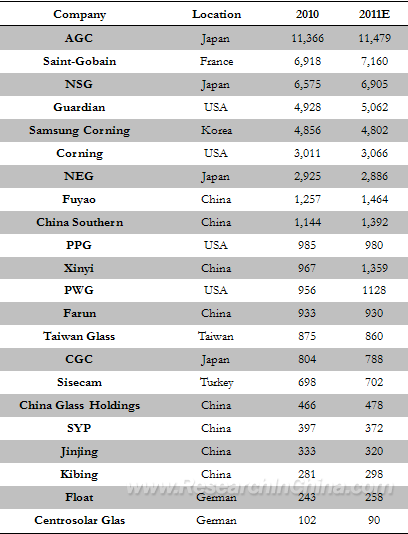
Major Flat Glass Manufacturers Worldwide and Their Output Values, 2010-2011 (Unit: USD mln)
201111009.gif

ادامه مطلب
تاريخ : شنبه بیست و هشتم آبان ۱۳۹۰ | 17:9 | نویسنده : علیرضا حسینی |
New enrgyانرژی های نو-با پوشش های جدید بر روی شیشه-شیشه های نوین در صنعت شیشه فلوت 
Heliostat-GlassTech production line
Daming solar energy glass cylinder curvature radius bending equipment: tempering/heat reinforcing/low stress glass equipment which produces large-size (ultra clear) glass needed for parabolic heliostat. CRB-S can bend glass of max 1700X2000mm(67inchX78inch)and also can produce glass products applicable in laminating treatment.
Heliostat-copper free silver mirror line
Daming has BOVONE copper free silver mirror production line and it can professional manufacture heliostat raw sheet products compliant with European and North American standards. Specifications max: 3660X2440MM,min:914X1220MM;thickness:1.1~10MM, annual output:15 million square meters
TCO glass production line
The company has introduced internationally advanced TCO coated glass production line, mainly includes: multi-functional AZO coated production line, single coated full automatic vertical continuous multi-layer coated production line, quality inspection system and aided water& power supply equipments. The construction scale: one TCO conductive coating glass line of 17,000 sheets per month
LOW-E glass production line
It owns internationally advanced single silver line, tempering LOW-E production line, which is the large complete equipment mainly with LOW-E glass coated technology. Such equipment is the high-tech product featuring low energy consumption, high efficiency, environment friendly and energy-saving. Performance: effective prevention of radiant heat transfer, E value reaching 0.15-0.03 and can prevent 65% long wave infrared solar energy in summer and 13% direct solar energy radiant heat from indoors, reflect 71% ind...


ادامه مطلب
تاريخ : شنبه بیست و هشتم آبان ۱۳۹۰ | 16:57 | نویسنده : علیرضا حسینی |

AR Glass/AZO coating glass/TCO Glass


Detailed Product Description

TCO glass is Transparent Conductive Oxide glass, which is produced by coated one transparent conductive oxide film with physical or chemical methods. It consists of In, Sn, Zn, CD oxide components or composite oxide film material

Damin Glass, imported international level TCO coating lines and automatic pattered surface treatment facilities, to supply stable AZO
Conductive thin-film glass. Annual capacity is around 1.5million SQM.
Main equipment: Multi-functional AZO coating line, patterned surface treatment automatic lines, testing facilities and other subsidiary equipment

Products characteristics
Szie and strcture
Glass size: 1100× 1400mm
Glass thickness: 3.2~8mm,
TCO film: Glass /SiO2
Average film thickness: 1000nm
Electrode property
Resistivityb: ≤ 10Ω/sqr
Uniformity of film thickness: ± 10%
Uniformity of resistivity: ± 7%
Sheet resistivity: 9.26
Uniformity of sheet resistance: ± 10%
Transmittance: ≥ 80%(at550 nm)
AR Glass, it's also called Anti-reflective glass, means high-transmittance coating glass, or low-reflective coating glass. It's based on nanometer porous inorganic SiO2 technology, coating one special chemical film on the glass surface, to lower the glass reflectance and enhance its transmittance. After AR coating, the normal low-iron transmittance rate can be rised from 91% to 97% roughly, meanwhile, the reflectance of glass can be reduced from 8% to 1%. The combinations of AR and TCO technology can enhance the PV solar modules converting and power efficiency extremely.

Comparison with AR coating and no-AR coating

AR characteristics
Enhance the transmittance, from 91% to 96%. Maximizes the conversion efficiency of solar modules
Treated by nano-technology, anti-reflective coating reduce diffuse reflection from 8% to 1%
Chemically-resistant, AR coating can withstand a range of pH in harsh outdoor environment)
Self-cleaning coating decomposes organic pollutants on the glass surface and reduce the
Maintenances time)
Anti-reflective coating has minimal amount of light absorption
Damin AR Glass:
Glass size: 1100× 1400mm
Glass thickness: 3.2~8mm,
Film: Nanometer porous inorganic layer
Average thickness of film(nm): 1000nm


ادامه مطلب
تاريخ : چهارشنبه بیست و پنجم آبان ۱۳۹۰ | 12:25 | نویسنده : علیرضا حسینی |
تاريخ : چهارشنبه بیست و پنجم آبان ۱۳۹۰ | 12:16 | نویسنده : علیرضا حسینی |

TCO for Photovoltaics

-->

TCO coatings for thin film solar cells (a-Si, μc-Si and CdTe)

With the surge of photovoltaics (PV) in the world today, solar cell manufacturers are looking for more economical coating solutions for their production lines. Beneq, with its own nAERO® aerosol-assisted pyrolytic deposition method, presents a technically superior and economical coating method for in-line and off-line coated products. nAERO is capable of producing low-haze and high-haze transparent conductive oxide (TCO) coatings, which allows the cell manufacturer to optimize the coating to suit his specific needs and thus maximize the efficiency of the thin film cell.
 

Higher photon efficiency

A nAERO-produced TCO coating is a pyrolytic hard coating consisting of fluorine-doped tin oxide (SnO2:F). Coating parameters can easily be adjusted and optimized to yield best results for haze, conductivity or transmittance. Haze can be as low as < 1% or as high as 20%, including the range between the two extremes. nAERO TCO by Beneq is fully temperable and can be laser-scribed or wet-etched. In addition, the pyrolytic hard coating has very good adhesion to sealing materials.

Efficient raw material usage

nAERO deposition is based on sub-micron sized droplets that are directed to the glass substrate. This enables a high growth rate and good material economics, with a raw material (precursor) yield of 20% or better.

Underlayer

If needed, an underlayer consisting of SiOx, SiO2 or TiO2 can be added between the electrically active TCO layer and the glass substrate. This underlayer is produced in a process step prior to nAERO coating. The underlayer serves as a barrier layer against sodium diffusion and eliminates iridescence in reflected light.

Coating specifications1

 Type  transparent conductive oxide (TCO)
 Chemical composition SnO2:F (FTO)
 Subgroup (based on haze) low haze high haze
 Haze, D65/10% 1 12 (example)
 Transmittance2, average 400-1000 nm (%) > 83 > 83
 Sheet resistance3 (Ω/□) 12 10
 Emittance 0.15 0.15
 Thickness (nm) 400 750
 Uniformity, sheet resistance (deviation) < 2.0 (Ω/□)
 Uniformity, transmission (deviation) < 1%
 Temperable yes

1 All properties are nominal and solely applicable to specimens under specific testing conditions. The information is not intended to and does not create any warranties.
2 Transmission measured with index matching liquid CH3I (haze compensation) on 4 mm glass.
3 Measured by 4-point method.

More information

Download TCO for Photovoltaics brochure (pdf).


ادامه مطلب
تاريخ : چهارشنبه بیست و پنجم آبان ۱۳۹۰ | 12:8 | نویسنده : علیرضا حسینی |
Product Name: TCO glass
Product Num: 01
Add Time: 2010-11-7 16:53:08
Product Introduce:

TCO (Transparent conductive oxide) glass is also called  transparent conductive oxide coating glass. Using physical or chemical method to form uniform and transparent conductive oxide thin film including In, Sn, Zn and Cd oxide and its composite multi-oxide thin film materials. 

  TCO glass was originally used in flat panel displays, the conductive glass of ITO type is still the mainstream glass electrode product of flat-panel display industry. In recent years, the price rise of crystalline silicon have greatly promoted the development of thin-film solar cells. Currently, the thin film market share takes up over 10% of the global market share. TCO glass as necessary component of the cells, the market demand is increasing rapidly and has become a high-tech coating product.

  Properties and categories of TCO coating glass
In solar cells, electrode of crystal silicon type cells is the wire welded on the surface of the silicon chip. High transmittance of the front cover-plate glass will be OK. Coated with pin semiconductor film on the glass and then coated with back electrode.
      There are many coating materials and crafts of TCO. Through scientific and continous selecting, there are mainly three kind of TCO glasses which are matched with the performance of PV cells.
  ITO coating glass is a mature product which has high transmittance, firm layer and good conductive property and is initially used in front electrode of PV cells. However, with the increasing requirements on light absorption property, TCO glass must accordingly enhance the ability of light scattering. It is difficult for ITO glass to achieve this and its laser etching property is poor. Indium is a rare element stored in nature, so the price is high. When applied in solar cells, ITO glass is not stable enough in plasma. Therefore, ITO coating glass has not been the mainstream of PV electrode glass.    

SnO2 coating is also called FTO which is mainly applied as Low-E glass used in architecture. Its conductive property is relatively lower than ITO, however, it has the advantage of low cost, easy laser etching and good optical property. Through research and improvement to ordinary Low-E glass, we develop a new haze product which has better conductivity than Low-E glass.  By this technology, TCO glass has become the mainstream product of thin film PV cells.

 Research of zinc oxide-based thin film develops rapidly, its material property is similar to ITO and the structure is hexagonal wurtzite. Research range of al-doped zinc oxide thin film is wide, its prominent advantage is that it is easy to get the materials, low-cost, non-toxic, easy to implement doping and the stability is good in plasma. It is expected to be a new type PV TCO product soon. The main problem lies in the technical problem when carry on large-scale coating.

performance requirements of PV cells on TCO coating glass  1.Spectral transmittance

 In order to utilize the sunlight sufficiently, TCO coating glass must maintain relatively high transmittance. The largest output of thin film is the dual-junction amorphous silicon thin film cell and has converted to amorphous / microcrystalline cell. Therefore, the amorphous / microcrystalline laminated composite can increase the conversion efficiency and will soon become the mainstream product of thin film cells.   2.Conductive property
      Conductive principle of TCO thin film is doping trace amounts of other elements in the original intrinsic semiconductor which conductivity is very weak, thus make significant change to the conductivity of the cemiconductor. By doping tin into indium oxide to increase the conductivity, ndium tin oxide (ITO) transparent conductive glass is formed. Its conductive property is the best at present with the lowest resistivity of 10-5Ωcm.

 3.Haze


 To increase the optical absorption capacity of thin film cell semiconductor, the TCO glass have to increase the scattering capacity of transmission light and this capacity will be expressed by Haze. Haze is the cloudy or muddy appearance of transparent or translucent materials surface caused by light difusion. The haze will be expressed by percentage of luminous flux of diffusion to luminous flux of materials.   In normal cases, the ordinary coating glass requires smooth surface and small haze, fowever, TCO glass requires a certain degree of light scattering capacity. Currently, the commercial TCO glass of AFG’s PV-TCO have a good haze control with haze value of 11%-15%. It does not include the direct transmittance curve of light scattering.


4.Laser etching property
 In the production process of thin film cells, the cell’s surface should be divided into several long strips and then make them in tandem to increase the output power. Therefore, before coated with semiconductor coating, we should etch the conductive coating of TCO glass first. The etched part should be removed of conductive oxide film so as to keep insulated. There are currently chemical etching and laser etching.Requirement of etching lines is very strict, and laser etching has the characteristics of uniform grooves, easy to clean and high production efficiency.

  5.Weatherability and durability
TCO coating generally adopts subdura coating technology, the coating has good abrasion-resistance and acid and alkali resistance. After the installation of the photovoltaic cells, especially the installation of integrated PV system on roofs and walls, it is not suitable to frequent maintenance and change. Therefore, it requires good durability of the PV cells. At present, the industry common shelf-life period is more than two decades. Thus, TCO glass shelf-life must more than 20 years.
     the development prospect of TCO glass
When the PV industry moves forward at the speed of 40%, the polysilicon supply of crystalline silicon solar cells becomes more and more urgent. Polysilicon price arises from 24dollars/kg up to current 300dollars/kg. Compared with the crystalline silicon solar cells, thin-film solar cells have strong low-light applications and strong plasticity. The rise of crystalline silicon price promoted the development of thin film solar cells which has taken up over 10% of the global PV market share. With the price rise of polysilicon, the thin film development is expected to be accelerated.
  The conversion efficiency of thin-film cells is varous, we make a calculation based on the mainstream amorphous silicon which is equivalent to 50 watts per square meters. This is to say, every 50-watt cell will use 1 square meter of TCO glass. It can be calculated that the requirement of global PV industry on TCO glasses will be 7 million square meters. It seems that this figue is small, however, due to the high-end technology, there are only two TCO manufacturers. With the annual increase rate of 50%, the solar cells have been short in supply. The price of per square meter has reached 20 dollars.
   According to authoritative forecasts, the market demand of thin film solar cells will continue to increase and will reach to demand of 40million per year. Currently, many manufactuers and research institutes are pushing forward the industralization of TCO glasses, therefore, the production capacity will enlarge continuously and the high performance new products will be promoted.

   We can see clearly that it is precisely because of the rapid development of thin-film solar cells, the market demand of TCO glass is becoming more and more urgent. In the field of conductive glass, there are many specific performance requirements of TCO glasses which have close relations with solar cell output. It can be said that the development of thin film solar cells will be to some extent dependent on the degree of photovoltaic TCO improvements. The shortage of resource promote the development of PV industry and will make the TCO glass a bright new star of glass industry.


ادامه مطلب
تاريخ : چهارشنبه بیست و پنجم آبان ۱۳۹۰ | 11:45 | نویسنده : علیرضا حسینی |

Transparent conducting films (TCFs) are optically transparent and electrically conductive in thin layers.

TCFs for photovoltaic applications have been fabricated from both inorganic and organic materials. Inorganic films typically are made up of a layer of TCO (transparent conducting oxide), generally in the form of indium tin oxide (ITO), fluorine doped tin oxide (FTO), and doped zinc oxide. Organic films are being developed using carbon nanotube networks and graphene, which can be fabricated to be highly transparent to the infrared light, along with networks of polymers such as poly(3,4-ethylenedioxythiophene) and its derivatives.

Transparent conducting films act, as a window for light to pass through to the active material beneath (where carrier generation occurs), as an ohmic contact for carrier transport out of the photovoltaic but also as transparent carrier for smd electronics used between laminated glass or light transmissive composites. Transparent materials possess bandgaps with energies corresponding to wavelengths which are shorter than the visible range of 380 nm to 750 nm. As such, photons with energies below the bandgap are not collected by these materials and thus visible light passes through. However, applications such as photovoltaics may require an even broader bandgap to avoid unwanted absorption of the solar spectra.

Jump to: navigation, search
Figure : Cross-section of thin film polycrystalline solar cell. The transparent conducting coating contacts the n-type semiconductor to draw current.


تاريخ : سه شنبه بیست و چهارم آبان ۱۳۹۰ | 13:34 | نویسنده : علیرضا حسینی |

Above:Photocatalytic mechanism


Below: Low-E coated windows

Self Cleaning Coatings

CVD is an attractive route to depositing Photo-catalytic films. APCVD is capable of a high degree of structural control (crystallinity and the ratio of anatase to rutile) which are crucial for high performance photoactivity.

Furthermore, CVD is the only approach which has been approved for use on external window surfaces. (where 20 year life is required). CVD thus is capable of producing highly durable photo-active surfaces.

Such films are well adapted for self clean or easy clean surfaces where daylight activates the film and changes firstly its hydrophilicity (which makes cleaning or even rainwater activated rinsing facile) and then photo-decomposes the organic contamination on the surface which adheres most dirt.

The result is a surface which is either easy clean or "self-cleaned" with rainwater


ادامه مطلب
تاريخ : شنبه بیست و یکم آبان ۱۳۹۰ | 22:42 | نویسنده : علیرضا حسینی |
DEFINITION
 
       This device ensures the drive in rotation of the glass conveying rollers inside the annealing casing between the Float Glass furnace and the cutting line.

VUE D'ENSEMBLE D'UNE LIGNE D'ETENDERIE


ادامه مطلب
تاريخ : شنبه بیست و یکم آبان ۱۳۹۰ | 19:57 | نویسنده : علیرضا حسینی |

For more than 30 years Hubtex has been developing and producing glass handling equipment. Their production of Four Directional Sideloaders as well as special trucks has been used to offer customers in the float glass industry a complete transport, storage and loading system of glass piles. The well-proven technique, the component construction and a high quality standard of our trucks guarantee a high grade of availability.

Hubtex-Multi-Directional-Sideloaders are available in 2 different versions: The 2-men-version means glass handling through two operators, so that truck positioning can be controlled separately and both operators have best visibility and contact possible to the load. The 1-man-version means control and handling of leads through only one operator placed on a platform on top of load. The advantages of this version are free visibility and exact truck maneuvering as well as safe order picking and lower costs of glass handling by only one operator.


تاريخ : شنبه بیست و یکم آبان ۱۳۹۰ | 19:46 | نویسنده : علیرضا حسینی |

سيلسکوزيس

آيا می دانيد هرساله ۳۰۰ نفر کارگر در جهان بر اثر بيماری سيليکوزيس جان خود را ازدست می دهند.

آيا می دانيد تعداد افرادی که در سال در خطر ابتلا به بيماری سيليکوزيسند به ۲.۰۰۰.۰۰۰ نفر می رسد.

با محاسبه ميزان آسيب رسانی اين بيماری در محيط کار و ارائه راهکارهای مناسب می توان از اين بيماری به طور ۱۰۰٪ جلوگيری کرد.

بدليل وفور سيليس در محيط اطراف ممکن است با سيليس در تماس باشيم ولی متوجه آن نباشيم.

برای پی بردن به وجود سيليس در محيط کار بايد چند مورد زير زا بررسی کنيم.

  • يافتن عواملی که احتمال وجود سيليس را قوت می بخشند.
  • دانستن نام مواد
  • بررسی برگه های ايمنی مواد(MSDS)

توجه

احتمال خطر تنها هنگامی وجود دارد که سيليس به صورت کريستالی وجود داشته باشد،‌ چه بسا موادی که حاوی سيليسند ولی تا هنگامی که از گردوغبار از آنها متصاعد نشود خطرناک نباشند و چه بسا مواردی که ذرات سيليس در هوا پراکنده اند ولی به چشم ديده نمی شوند.

صنايعی که در آنها احتمال ابتلا به سيليکوزيس وجود دارد:

  • صنايع سیلیس کوبی و کارخانجات شیشه
  • صنايع سفالگری و سراميک سازی
  • صنايع سيمان سازی
  • کوزه گری
  • ذوب آهن
  • حفاری بتون
  • مخلوط سازی بتون
  • تخريب
  • صنايع الکتريکی
  • ريخته گری
  • آسياب کردن
  • شيک اوت قطعات ريخته گری شده و.....

نام مواد

محصولي كه داراي سيليس است بايد برچسبي داشته باشد كه آن را نشان دهد.

ماشين آلاتي كه برروي سيليس فعاليت انجام مي دهند بايد علامتهايي داشته باشند كه هشدار لازم را در خصوص تماس با سيليس بدهند.

مسئوليت كارخانه: بايد برروي تمامي موادي كه حاوي مقادير بيشتراز ۰.۱% سيليسند برچسب هشدار قراردهند.

مسئوليت كارفرمايان: بايد اطمينان حاصل كنند كه اين برچسب ها كنده نشده باشند.

برگه های ايمني مواد

برگه هايي حاوي اطلاعاتي در مورد تمام مواد يا موادي كه آسيب رسانند و در مقاديري بالاتر از حدمعمول در كارخانجات استفاده مي شوند.

در صورتي كه يك ماده حاوي مقادير بيش از ۰.۱% سيليس كريستالي باشند بايد برچسب ايمني مواد(MSDS) داشته باشند.

مسئوليت کارخانه: بايد برروی تمامی مواد خطرناک موجود در کارخانه MSDS وجودداشته باشد.

مسئوليت کارفرمايان: بايد اطمينان يابند که دسترسی به تمام MSDS های مواد خطرناک وجود داشته باشد.


تاريخ : چهارشنبه هجدهم آبان ۱۳۹۰ | 10:30 | نویسنده : علیرضا حسینی |


شیشه


شیشه برای بسته بندی  بسیاری از مواد غذایی  مانند آب میوه، ژله وروغن

 گیاهی  وغذای کودک و به کار می رود .


پنج درصداز وزن و دو دراز صد حجم سیل زباله های جامد را شیشه تشکیل میدهد

 برخلاف کاغذ که از سوختن آن بخار و الکتریسیته تولید می شود سوزاندن شیشه

یک پیشنهاد خوب نیست .


شیشه هیچ انرژی گرمایی را برای تولید بخار و الکتریسیته ایجاد نمی کند چون

کاغذ می سوزد ولی شیشه فقط ذوب می شود .


دفن شیشه هم باعث حفظ ارزش های آن نمی شود بنا براین بازیافت معمولا بهترین

 انتخاب است.


بازیافت شیشه باعث ذخیره انر ژی بالنسبه خوبی می شود استفاده از شیشه های

بازیافتی برای ساختن تولیدات جدید40 درصد انرژی کمتری نسبت به ساختن این

محصولات از مواد خام و جدید دارد .

بازیافت باعث ذخیره انر ژی می شود چون خرده شیشه های حاصل از مواد بازیافتی

 نسبت به مواد خام نیاز به درجه حرارت کمتری برای ذوب شدن دارد.

مواد تازه برای ساختن شیشه عبارت است از (ماسه – کربنات سدیم – سنگ آهک)

شیشه های کهنه به آسانی تبدیل به بطری و شیشه ها ی دهن گشاد و یا محصولاتی

مانند عایق های فایبر گلاس می شود.


چگونه شیشه بازیافت می شود؟


آماده کردن شیشه هایی که محتویات آن مصرف شده است آسان است

همه چیزی که لازم است انجام دهید این است که سر وکلاهک یا چوب پنبه شیشه ها

برداشته و شیشه ها را با آب شست و شو دهید.


بیشترین چیزی که بازیافت کنندگان از شما تقاضا دارند دسته بندی شیشه ها بر حسب

رنگ است رنگهای روشن – سبز – کهربایی (قهوه ایی روشن)


از انجا که نمی توان رنگ شیشه ها یی را که به رنگ های مختلف ساخته می شوند

پاک کرده وازبین برد این معنی را میدهد که بازیافت کنندگان شیشه های روشن،

نمی توانند از خرده شیشه یا خمیر شیشه های رنگی استفاده کنند.


چرا کارخانه ها مواد غذایی و نوشابه های خود را در شیشه های

سبز یا قهوه ای بسته بندی می کنند ؟


چون شیشه های رنگی بعضی مواد غذایی و نوشابه های حساس به نور را حفظ می کند

شما نمی توانید همه محصولات شیشه ای را باز یافت کنید مانند حباب لامپها ، ظروف

چینی ، سرامیک ها ، شیشه آینه ها ،  شیشه پنجره ها و ظروفی که مواد آنها موادی

نیست که بطریها و کوزه های شیشه ای با آن ساخته می شوند بنا بر این نمی توان آنها

را با شیشه های قابل بازیافت درهم آمیخت .


از طرفی بطریها و شیشه های دهان گشاد هستند که ما هر روزه آنها را دو ر می ریزیم

و حباب لامپ و ظروف چیزهایی نیستند که بیشترین زباله مارا ایجاد می کنند در ضمن

باید از گذاشتن ظروف پیرکس که در مقابل حرارت مقاومند یا شیشه های ماتی که داخل

آنها را نمی توان دید در ظروف بازیافت خودداری کرد.


تاريخ : چهارشنبه یازدهم آبان ۱۳۹۰ | 19:41 | نویسنده : علیرضا حسینی |

Waste-Glass Recycling Plant

Waste glass is not just waste, but a new resource. Supersol is an artificial light porous foamed material that is made by crushing, milling, baking and foaming waste glass. The Waste-Glass Recycling Plant is a plant for recycling waste glass produced in the local community into Supersol.

You just need to place waste glass bottles into the hopper. The Waste-Glass Recycling Plant automatically crushes them and performs milling, sorting and baking to produce Supersol.

Outline

The Waste-Glass Recycling Plant is a set of machines to produce Supersol, a pumice-like light porous foamed material, from waste glass produced in the local community as 99% of its basic materials.

The Waste-Glass Recycling Plant consists of 9 machine units, a bottle supply hopper, a bottle conveyor, a crusher, a cullet mill, powder conveyors, a powder sifter, a mixing machine, a baking machine and a Supersol sizer; and automatic control panels. The bottle supply hopper can hold about 4.5 m3 of waste glass, which is crushed into cullet of less than 6 mm in size by the crusher. The cullet is then milled into glass powder with a median grain diameter of 35 µm by the cullet mill. The glass powder is sent to the powder sifter, which removes foreign objects and powder grains that are not of a specified size. The mixing machine mixes glass powder and add-in materials, and continuously sends the resulting powder mixture to the baking machine. There the powder mixture is preheated, softened, baked and foamed in the temperature range of 700 ~ 920 degrees centigrade. The layer of glass powder mixture having an initial thickness of 15 mm is converted into a light porous slab having a thickness of about 60 mm. More than 70% of these machines have originally been developed by Trim.

Most conventional glass recycling machines crushes glass only into cullet. The resulting cullet is used for making glass again if it is transparent or brown, and other cullet is mixed in secondary concrete products, asphalt paving and blocks. The cullet, however, is low-value-added products, and its use in business is limited. On the other hand, Supersol, produced by the Waste-Glass Recycling Plant, has a wide range of application, such as a light embanking material in civil engineering, a culture medium or an inorganic soil amendment in horticulture and agriculture, a purification material in water purification and an insulator in architecture. It is now used in various areas for various purposes.

Production Stages and Machine Units

The Waste-Glass Recycling Plant map

Bottle Supply Hopper

Bottle Supply Hopper

The bottle supply hopper can hold about 4.5 m3 (3.5 t) of waste glass bottles, and the vivratory feeder attached to the hopper bottom supplies glass bottles stably to the conveyor.


* This movie is in Japanese.

Crusher

Crusher

Crushing glass bottles

Waste glass bottles carried in by the conveyor are crushed in a single process into cullet less than 6 mm in size (the specified grain size of the crusher) by a compact crusher having a diameter of 1,600 mm.

Glass bottles are compressed and crushed by rollers, which is based on the mechanism of the mill. To improve the wear resistance of the machine, special steel is used for the inner parts, and removable couplings are used for the inner structure. As a result, our crusher has better wear resistance and durability than ordinary glass crushers. (Patented)


* This movie is in Japanese.

Cullet Mill

Cullet Mill

Milling cullet into powder

Glass cullet of less than 6 mm in size produced by the glass crusher is further milled to produce galss powder. Our cullet mill is a tube mill modified for glass cullet. Its inlet can easily take in glass pieces of different sizes and shapes, and its outlet discharges glass powder in the order of smaller specific gravities. The produced glass powder is separated from paper, such as bottle labels, by a rotary sieve within the two-layer hopper. The cullet mill contains many alumina balls, which collide with each other to mill cullet. The machine requires no maintenance for about 2 years. The full-automatic operation of the cullet mill synchronized with the glass crusher enables a continuous production of glass powder, and has achieved a stable glass powder production of the specified grain size and a higher production efficiency (more than 97%).


* This movie is in Japanese.

Powder Sifter

Powder Sifter

Sorting glass powder

Glass powder produced by the cullet mill is sorted according to grain sizes, and powder of the specified grain size is taken out.

Connection with a powder conveyor allows the continuous sorting of powder. In addition, because of its closed system, no powder is released into the surrounding environment.


* This movie is in Japanese.

Powder Conveyors

Powder Conveyors

Powder conveyors transfer glass powder from the cullet mill, the powder sifter, and the mixing machine.

These are spinflow conveyors based on the principle of whirlpools. They allow full-automatic, stable powder transfer, while powder transfer was considered difficult before. Furthermore, since they do not use air flow, the generation of static electricity is low, and no dust is released into the work environment.

Mixing Machine

Mixing Machine

Mixing powder with add-in materials

Glass powder sorted out by the powder sifter and two types of foaming materials are automatically measured and mixed. These materials. which are different in quantity, specific gavity and shape, are thus uniformly mixed.

The mixing machine is of sequential batch type and can produce 350 kg of powder mixture in a batch process. In addition, the whole process of feeding, measuring and adding the two types of foaming materials is fully automated, allowing the stable production of glass powder mixture in uniform quality.


* This movie is in Japanese.

Baking Machine

Baking Machine

Baking powder mixture

Powder mixture produced by the mixing machine is baked to make a light porous foamed material, or Supersol. The baking machine consists of a baking section and an annealing section, each of which has a light, insulating and fireproof sructure. The machine also has a wire-mesh belt conveyor to allow continuous baking.

Furthermore, the baking machine is equipped with 16 burners to carry out the processes of preheating, softening, baking and foaming.


* This movie is in Japanese.

Supersol Sizer

Supersol Sizer

Sizing Supersol pieces

Produced Supersol blocks are broken and sorted into specified sizes.

The breaker has breaking blades whose shape and material have been specifically designed for Supersol production, allowing efficient breaking and sorting.


ادامه مطلب
تاريخ : چهارشنبه یازدهم آبان ۱۳۹۰ | 19:31 | نویسنده : علیرضا حسینی |

What is Supersol?

See a video on Supersol
* This movie is in Japanese

Considering waste glass not as waste but as a new resource, we crush, bake and foam it to produce Supersol, an artificial light porous foamed material. It can be used in various areas, such as greening, insulation, horticulture, water purification, architecture and civil engineering, and thus is a highly value-added product indispensible for developing recycling societies.

Characteristics

Earth-Friendly (returnable to the soil)

Supersol is perfectly recyclable, from the soil and back to the soil.

High Water Permeability and Retentivity

Even when Supersol is compacted, it retains good water drainage. Its high water permeability, water retentivity and air permeability promote plant growth.

Fire-Resistant (inorganic mineral)

Supersol is an inorganic mineral and fire-resistant.


Lightweight (can be made to have a different specific gravity)

Supersol can be made to have different specific gravities depending on its use.


Type Specific Gravity (oven-dry)

Water

Absorption

Characteristics Use
L1
0.3 - 0.6
≥ 30%
Continuous-cavity type ultralight material with high water retentivity Greening: Light soil
Farming: Soil amendment
L2
0.4 - 0.5
≤ 30%
Independent-cavity type ultralight material Civil engineering: Light subgrade material
Architecture: Light material
L3
0.5 - 1.0
≤ 10%
Independent-cavity type light material with mostly closed pores Civil engineering:Light subgrade material
Architecture: Light material
L4
1.0 - 1.6
≤ 5%
Independent-cavity type light material that is slightly heavier than water Civil engineering: Light subgrade material
Architecture: Light material
Water purification: Purifying material

It is possible to produce Supersol having different characteristics by changing the types of add-in materials, milling conditions and baking conditions.

High Workability (adaptable to various conditions)

Supersol is adaptable to various application conditions, such as a place of complex topography or where there are underground pipes. It is easy to handle, and can be handled even in the rain.

  • * Very light
  • * Easy to handle as a banking material and can be applied in ordinary procedures.
  • * Does not need curing.
  • * Since Supersol is made from glass, no harmful substance is dissociated from it. Thus, it is very safe to the environment.
  • * Since Supersol is an inorganic mineral, it is chemically stable and does not corrode.


How It Was Developed

Supersol production technology was developed by the Kishimoto International Technology Institute under the "Research and Development Business Cooperation Contract" signed in February 1997 with the Clean Japan Center" (CJC) as a project to which a supplementary budget was granted in 1996 by the Ministry of International Trade and Industry (currently the Ministry of Economy, Trade and Industry) and which was entrusted to CJC by the New Energy and Industrial Technology Development Organization (NEDO) as a verification test of glass cullet recycling.

Based on the result of this project, Trim Co., Ltd. developed a Supersol production system (plant) for practical use. Today, Trim has built the plants arround Japan and is promoting community vitalization through recycling.


Constituents and Data

Constituents

Constituents

Tested by the Industrial Technology Center of Okinawa Prefecture
Date requested: April 23, 2002
Test type: Quantitative analysis (SiO2, Al2O3, Na2O, CaO, K2O)

Physical characteristics

Single Specific gravity (dry)
0.4 - 0.5
Grain size range
2 - 75 mm
Water content
0%
Uniaxial compressive strength
30 - 40 kgf/cm2
Toxic substances
None
Compacted Density
0.3 - 0.4 t/m3
Triaxial compressive strength
φ ≥ 30 °
CBR
17.70%
Coefficient of permeability
3 × 10 - 2 - 1 × 100cm/s

Designed physical constants

Dry Density (t/m3 )
Designed Constants
Number of Rolling for a Spreading Depth of 30 cm (/layer)
Wet Density (t/m3) Adhesion (kN/m2) Internal Friction Angle (degrees) Allowable Bearing Power (kN/m2 ) 10-t swamp bulldozer 1-t vibratory roller
0.25
0.40
0
25
39
0
0
0.30
0.45
30
98
2
4
0.35
0.55
137
4
8
0.40
0.60
176
8
-

Table of light banking materials

Types
Light Banking Material
Wet Density (t/m3)
Characteristics
Light Materials Artificial materials
EPS
0.01-0.03
Ultralight, self-standing
Urethane foam
≈ 0.03
Ultralight, flowable
Recycled materials
Granulated slag
1.2 - 1.35
A by-product at ironworks
Coal ash
1.1 - 1.5
A by-product at thermal power plants
Supersol
0.4 - 0.6
Made from glass bottles
Volcanic ashes deposit
1.2 - 1.4
Low cost
Weight-reduced Soils Foam composite light soil
FCB, etc.
0.5 - 1.2
Flowable, density controllable
Foamed beads composite light soil
SLS, etc.
0.9 - 1.3
Density controllable, characteristics similar to soil

Wet density of light banking materials

Wet density of light banking materials


ادامه مطلب
تاريخ : چهارشنبه یازدهم آبان ۱۳۹۰ | 19:15 | نویسنده : علیرضا حسینی |
تاريخ : سه شنبه دهم آبان ۱۳۹۰ | 19:31 | نویسنده : علیرضا حسینی |

پل معلق نعلي شكل شيشه اي گراند كانيون بدون شك يكي از غير معمول ترين ودر عين حال هيجان برانگيزترين سازه هاي فلز و شيشه است.اين پل معلق  بر روي رود كلرادو و در ميان دره هاي عميق اين منطقه موسوم بهGrand Canyon در ايالت كالفرنياي آمريكا ساخته شده است.

با گام نهادن بر روي اين پل شگفت انگيز ، مي توان منظره اي مهيج از گراند كانيون و رود كلرادو  و همچنين حس تعليق را بر فراز دره اي باشكوه تجربه كرد. تنها حايل ميان بازديد كنندگان و سقوط آزاد  ، قطعات شيشه اي  و استيل تقويت شده است. ارتفاع اين پل حدود 1220 متر و طول آن 21 متر مي باشد. اين پل قادر است تا وزن 70 تن معادل وزن 700 انسان سنگين وزن را تحمل نمايد و البته ظرفيت آن  120 نفر است. توليد شيشه هاي اين پل بي نظير بر عهده شركت فرانسوي Saint Gobain بوده است. اين پل در تاريخ 27 مارس سال 2007 بر روي مردم گشوده شد. تا كنون بيش از يك ميليون نفر بر روي اين پل قدم زده اند.


http://www.makli.com/wp-content/uploads/2009/09/grand-canyon-skywalk.jpg


تاريخ : سه شنبه دهم آبان ۱۳۹۰ | 15:20 | نویسنده : علیرضا حسینی |

http://www.glassonweb.com/UserFiles/Glastec_08_385.jpg

یكي از جذابترين غرفه هاي نمايشگاه  glasstecغرفه glass technology live  است. در اين غرفه آخرين دستاوردهاي صنعت شيشه از سراسردنيا به نمايش گذاشته مي شود. جديدترين محصولات شيشه اي اعم از شيشه هاي فتو ولتائيك ،‌شيشه هايSolar Control   و همچنين سازه هاي شيشه اي غير معمول و اعجاب انگيزدر اين غرفه نظر هر بيننده اي را به خود جلب مي كند. همزمان با ارائه محصولات ، سمينارهاي آموزشي نيز برگزار مي شود. دانشگاه اشتوتگارت مسئول برنامه ريزي و برگزاري اين سمينارهاست.

   بزرگترين شيشه لمينيتي كه تا كنون توليد شده يكي از دستاوردهائي بودكه در اين غرفه جذاب خودنمائي مي كرد.مشخصات اين شيشه عبارت است از :

طول = 21 متر

عرض =5/2 متر

ضخامت = 12 سانتي متر

وزن = 15000 كيلوگرم

اين شيشه توسط گروه توليدي Glas Troschتوليد شده است.شركت Glas Troschيكي از بزرگترين توليد كنندگان شيشه در اروپاست كه درسال 1905 تاسيس شده است.

تاريخ : سه شنبه دهم آبان ۱۳۹۰ | 15:18 | نویسنده : علیرضا حسینی |
انگلیسی ها ضرب المثلی دارند که می گوید: « اگر در خانه ای شیشه ای زندگی می کنی، به سوی خانه دیگران سنگ میانداز»؛ شاید برای ساکنان خانه شیشه ای این سخن فراتر از یک مثل از باشد.

مفهوم طراحی
خانه شیشه ای آخرین یافته های تحقیقات نانوتکنولوژی (Nano technology) در سراسر جهان را به معرض نمایش می گذارد.
این خانه در کنار ارائه محصولات موجود در بازار تجاری، پیش نمونه هایی از تحقیقات اخیر در علوم مصالح را نیز عرضه می نماید تا اثرات این محصولات در موارد زیر را نشان دهد:
1.  بهسازی شیوه زندگی؛
2. بهبود بخشیدن به وضعیت نور طبیعی، حرارت و پژواک شناسی در ساختمان؛
3. پایین بردن هزینه های تعمیر و نگهداری در طول عمر مفید ساختمان.
اساس خانه شیشه ای بر مبنای طراحی فضایی مسکونی حساس به محیط زیست و فوق العاده صرفه جو در مصرف انرژی، با استفاده از پیشرفته ترین تکنولوژی مصالح می باشد.

چرا باید از نانوتکنولوژی استفاده کنیم؟
نانوتکنولوژی بخشی تکوین شده در علوم است که در ارتباط با کنترل ماده در مقیاس اتمی و مولکولی است.
دامنه وسیعی از نانوتکنولوژی ها با مصارف رایج و بالقوه وجود دارند. با کنترل مولکولی ماده می توانیم مصالحی هوشمند بسازیم که ویژگی های آنان در واکنش به برخی محرک های محیطی، از جمله دستورات افراد، تغییر نماید. حتی ممکن است بعضی از مصالح هوشمند مانند کارخانه های  فوق العاده کوچکی جهت تولید سایر محصولات یا ابزار عمل کنند.
تفکر درباره نانوتکنولوژی با استفاده از معنایی چندگانه شیوه ای صحیح نیست، بلکه باید راه هایی را مورد آزمایش قرار داد که از طریق آنها تکنولوژی هایی که تحت تاثیرات اندازه ماده عمل می کنند، خود را اثبات نمایند. این بدین معناست که ما می توانیم انواع تولیدات و فرآیندهایی را فهرست بندی نماییم که شروع به استفاده از کنترل ماده به شیوه فوق ریز اندازه (nanoscale) کرده اند.
برخی از نانوتکنولوژی های رایج و مصارفشان شامل موارد زیر می شوند:

مصالح هوشمند
مصالح هوشمند تقریبا توانی پایان ناپذیر دارند، آنها می توانند در واکنش به محیط پیرامون خود چنان تغییر کنند که مصالح طبیعی (فاقد هوش) قادر به آن نیستند. در برخی از این مصالح کامپیوترهای بسیار کوچکی کار گذاشته شده است که قابلیت مخابره علائم را دارند، مانند حلقه های لاستیک اتومبیلی که به ماشین شما می گویند چه زمانی آج روی آنها ناهموار شده است، و یا رنگ دیواری که به هنگام نشت گاز یا اتصال الکتریکی در خانه به شما هشدار می دهد. مصالح واقعاً هوشمند می توانند طبق دستور رنگ عوض کنند یا در طول روز به تولید الکتریسیته پرداخته و در شب آن را در اختیار شما قرار دهند. رنگ دیواری را تصور کنید که خود را تمیز نگاه داشته و در صورت آسیب دیدن به تعمیر خود می پردازد.

ریزگرده ها (nanopowders)
ریزگرده ها برای جذب کامل اشعه فرابنفش در صفحات خورشیدی (که در حال حاضر در بازار موجودند)، و در رنگ ها و لایه های پوشش دهنده بسیار سخت و غلیظ به کار می روند.

نانوتکنولوژی های کربن
ریزلوله ها (nanotubes) و فولرن ها1  را می توان در کاربری های بسیار متنوعی به کار برد، از جمله توزیع دارو، ذخیره هیدروژن، ترانزیستورهای مولکولی، منسوجات هوشمند، فوق رسانه های حرارت بالا و ریز، شارگان شناسی2  (nanofluidics).

الکترونیک مولکولی
ممکن است که آینده علم کامپیوتر وابسته به آرایه های ترانزیستوری باشد که به جای استفاده از نیمه رساناها از مولکول هایی استفاده کنند که همچون یک کلید عمل می کنند. احتمالا ابزار الکتریکی مولکولی در محیط زیست هایی که نیمه رساناها نمی توانند وارد شوند، همچون محیط های بیولوژیکی، سودمند خواهند بود.
خانه شیشه ای نمایشی از مصالح فیزیکی و شبیه سازی های کامپیوتری را نیز دربرمی گیرد که به زبانی ساده و ملموس توضیح می دهند که چگونه پوشش ها و مصالح مهندسی نانو (nano-engineered) می توانند در شرایطی خانگی عمل کنند.
این خانه نشان خواهد داد که چگونه این پوشش ها می توانند با کنترل طول موج انتخابی از ویژگی های مصالح، انعکاس، جذب و انتقال نور از میان و بر روی سطوح را تغییر دهند. در نتیجه این پوشش ها می توانند خصوصیات مصالح ساختمانی را نسبت به آنچه که ما می شناسیم عوض کنند.
(جهت کسب اطلاعات بیشتر درباره نانوتکنولوژی ها می توانید به سایت
www.nano.uts.edu.au مراجعه نمایید).

چرا شیشه؟
استرالیایی ها ترجیح می دهند که ساختمان هایشان را باز بگذارند تا از نور روز، مناظر و جریان هوای آزاد به درون خانه حداکثر استفاده را ببرند. در گذشته این مسئله با هزینه های بالقوه بالای تولید گرما در زمستان و سرما در تابستان داد و ستدی را به وجود آورده بود. با این وجود، با تکنولوژی نوین پوشش دهی بر شیشه ها، مشکلات تا حد زیادی بهبود یافته اند. اکنون می توانیم از محصولات پیشرفته فنی برای تغییر پیامدهای محیطی در فضاهای گسترده شیشه ای استفاده نماییم.
خانه شیشه ای پیشرفت های اخیر در فن آوری و مهندسی شیشه توسط پیلکینگتون (Pilkington) و جی. جیمز (G. James) را به معرض نمایش می گذارد:
•کیفیت های انتخابی-طیفی،
•عملکرد بهبود یافته حرارتی، و
•ویژگی خود شویندگی شیشه.
خانه شیشه ای چندین نوع گوناگون از شیشه را به نمایش می گذارد. یکی از این انواع شیشه Pilkington Activ است که پوشش خارجی شفافی دارد و به کمک نانوتکنولوژی از نیروهای طبیعت – نور طبیعی فرابنفش و باران – استفاده می کند تا شیشه را در برابر آلودگی های طبیعی پاکیزه نگهدارد. این شیشه جهت حفظ امنیت، کاهش صدا و کنترل نوسان روکش (laminate) شده است.
راز این شیشه خود شوینده در پوشش ویژه نانوتکنولوژی آن نهفته است که در دو مرحله عمل می کند:
1.  استفاده از فرآیند «کاتالیزور نوری» (photocatalytic)، که پوشش در برابر اشعه های فرابنفش نور طبیعی روز واکنش نشان داده و آلودگی طبیعی را خرد و متلاشی می سازد.
2. قسمت دوم فرآیند هنگامی رخ می دهد که  آب باران بر شیشه می خورد. از آنجا که شیشه «آب دوست» (hydrophilic) است، باران به جای آنکه به صورت قطرات آب شکل بگیرد به صورت یکسان بر تمام سطح پخش می شود و جریان آن کثیفی را با خود می شوید.
در مقایسه با شیشه معمولی، آب بر این شیشه ها بسیار سریع تر خشک می شود و در نتیجه جای بدنمای قطره های خشک شده بر شیشه نمی ماند.
این پوشش بی وقفه کار می کند و هر زمان که باران ببارد آلودگی ها را می شوید، یا اینکه می توان در فصول بدون بارش به کمک جریان ملایم آب شلنگ آن را فعال کرد. تنها میزان اندکی اشعه فرابنفش برای فعال کردن این پوشش کافی است، از اینرو حتی در روزهای ابری هم کار می کند.

چگونه این خانه سرهم می شود:
خانه شیشه ای در سه بخش متشکل از جام های 4/2×4/6 متر که هر کدام حدود 5 تن وزن دارد توسط دو کامیون به محل حمل می شود.
این خانه کاملا از پیش ساخته شده و تقریبا تمام آن از شیشه است.
• سقف به قطر 16 میلیمتر متشکل از شیشه مقاوم شده با گرد لعاب، یا نقوش حکاکی شده بر آن است تا دریافت انرژی خورشیدی را کاهش دهد.
• دیوارها از شیشه یک تکه 16 میلیمتری می باشند.
• یک سمت خانه با شیشه خود شوینده Pilkington Activ ساخته شده و سایر دیوارها از شیشه های Pilkington Solar E Plus و Low E تشکیل شده اند.
• کف شیشه ای به ضخامت 30 میلیمتر متشکل از دو لایه 12 میلیمتری و یک لایه ضربه گیر محافظ 16 میلیمتری بر روی آنهاست.
کف های چوبی قسمت ورودی با پوشش نانوتکنولوژی پردازش شده اند تا از رنگ باختگی در زیر نور فرابنفش محافظت شوند.
ممکن است قاب های فولادی سازه ورودی در آینده با پوشش نانوتکنولوژی پرداخته شوند تا عملکرد آنها نیز قابل تغییر باشد.

ویژگی های زیست محیطی
همه ما دوست داریم که خانه هایمان دلباز و سرشار از نور طبیعی باشد. در گذشته این مسئله هزینه های گزافی برای تولید حرارت و سرمای مناسب را بر دوش ما تحمیل می کرد. خانه شیشه ای نشان می دهد که چگونه پیشرفت های اخیر در فن آوری شیشه قادر به خلق طرحی حساس به محیط زیست و با مصرف کم انرژی است.
ویژگی های زیست محیطی این خانه شامل:
سلول های نیروزای نوری (photovoltaic) واقع بر سقف الکتریسیته تولید می کنند. این سلول ها همچون کرکره ای زاویه دار قرار گرفته اند تا نفوذ انرژی خورشیدی بدرون ساختمان را متعادل سازند.
•شیشه های Pilkington Solar E Plus و Low E قابلیت تشعشع پایین دارند و گرمای ناخواسته تابستانی را کاهش داده در حالی که در زمستان حرارتی مطبوع را در خود حفظ می نمایند.
•نماهای غربی و شرقی شیشه های کرکره ای دارند که جریان طبیعی هوا جهت خنک کردن ساختمان را تولید می کنند.
•به علاوه می توانید با افزودن صفحات غلتکی پوشیده شده با تار و پود نانوتکنولوژی مانع ورود آفتاب اضافی شوید.

سابقه تاریخی یا تئوریک
خانه فارنزورث (Farnsworth House) (1945) اثر مییز ون در روهه (Mies van der Rohe) عمارت کلاه فرنگی متمایزی بود که معلق بر بالای چمنزاری بنا شده بود. آن عمارت تنها از دو صفحه – یک سقف و یک کف، احاطه شده با شیشه تشکیل شده بود و بر هشت ستون فولادی تکیه داشت. این جعبه شفاف یکی از بنیادگرایانه ترین خانه های مینیمالیستی بود که تا آن زمان طراحی شده بودند. چهار سال بعد آرشیتکت امریکایی فیلیپ جانسون (Phillip Johnson) در کانتی کات خانه ای شیشه را طراحی نمود.
خانه شیشه ای آینده، همانند اسلافش مادیت معماری، استفاده از سازه، تکنولوژی و طراحی خانه در قرن بیست و یکم را به مبارزه می طلبد.

درباره UTS و نانوتکنولوژی
موسسه UTS نانوتکنولوژی درگیر تحقیقات گسترده ای در این زمینه است و خانه شیشه ای بهترین پروژه آن است. این خانه به عنوان ابزاری آموزشی عمل می کند – بالا بردن آگاهی عمومی درباره پیامدهای فن آوری نوین. همچنین به نانوتکنولوژی های تازه تکوین شده نیز این فرصت را می دهد تا به کار گرفته شوند، نمایش داده شده و در ساختمان های واقعی مورد امتحان قرار گیرند.

پانوشت:
1- Fullerene: هر یک از اشکال کربن که به صورت سازه ای توخالی از اتم های متصل به هم تشکیل شده اند.
2- Fluidics: فن مهارسازی جریان چیزهای سیال برای محاسبه یا اندازه گیری و یا به جای مدارهای الکترونیکی.


ادامه مطلب
تاريخ : سه شنبه دهم آبان ۱۳۹۰ | 11:37 | نویسنده : علیرضا حسینی |
امروزه در دنیا تأمین انرژی در كنار تأمین مواد اولیه، مهمترین عامل در تولید سیمان محسوب می شود زیرا تولید سیمان در كنار تولید سایر محصولات صنعتی از جمله فولاد، آهن، شیشه، صنایع غذایی و روغن نباتی بیشترین مصرف كنندگان انرژی هستند. ۲ سال قبل سیمان در دنیا تا میزان ۲ هزار و ۲۷ میلیون تن تولید شد. كشورهای چین، هند، آمریكا و ژاپن به ترتیب بیشترین میزان سیمان را در دنیا تولید كردند كشور مذكور همراه با اعضای اتحادیه اروپا ۸۰ درصد سیمان تولیدی دنیا را در اختیار دارند و كشور چین به تنهایی ۵۲ درصد تولید سیمان جهان را در سال ۲۰۰۵ در اختیار داشت و هزار و ۶۴ میلیون تن سیمان ۲ سال قبل تولید كرد. این كشور همچنین برای تولید این محصول معدنی تا سال ۲۰۱۰ نیز برنامه ای دقیق دارد. قرار است چین در افق ۲۰۱۰ سالانه هزار و ۳۰۰ میلیون تن سیمان تولید كند. ● ضرورت سوخت جایگزین در تولید سیمان چین كه بیش از نیمی از سیمان دنیا را تولید می كند، در مصرف ذغالسنگ بی همتا است. براساس اطلاعات موجود كشور چین در سال ۲۰۰۵ برای تولید سیمان ۲ هزار و ۲۰۰ میلیون تن ذغالسنگ مصرف كرده است. همچنین متوسط مصرف انرژی حرارتی نیز در صنعت سیمان چین در سال مذكور، برابر با ۹۰۰ كیلو كالری در ازای فرآوری هر كیلوگرم كلینگر بوده است. اگرچه كارشناسان چینی دلیل بالا بودن میزان مصرف انرژی حرارتی را فعالیت كوره های سنتی و قدیمی در چین می دانند اما چینی ها با توجه به افق چشم انداز ۲۰۱۰ میلادی به جایگزینی سوخت های دیگر با سوخت فسیلی اقدام كرده اند. براین اساس، چینی ها طرح هایی را اجرا می كنند كه بتوانند به وسیله بازیافت انرژی گازهای خروجی از سیستم پخت بسیاری از كارخانجات، انرژی الكتریكی تولید كنند. در صورتی كه چینی ها موفق شوند این سیستم را در كارخانجات تولیدی سیمان اجرا كنند ۳۰ تا ۳۵ درصد از انرژی مورد نیاز برای تولید این كالای معدنی در آن كشور تأمین می شود. از سوی دیگر چینی ها برای جایگزینی سوخت در تولید سیمان به مصرف ضایعات و پسماندهای صنعتی و شهری روی آورده و نگاه ویژه ای به بازیافت ضایعات و تولید انرژی از آنها دارند به طوری كه به خاطر صنعت سیمان، مدت یك سال یعنی از سال ۲۰۰۴ تا ۲۰۰۵ بیش از ۲۵ میلیون تن ضایعات صنعتی و شهری را امحا كرده است. چینی ها مصرف ضایعات، نوسازی صنعت و اجرای طر ح های بهینه سازی مصرف سوخت را برای افزایش كیفی و كمی تولید سیمان الگوی خود قرار داده اند. ● هند دومین بهینه ساز مصرف انرژی در تولید سیمان كشور هند پس از چین دومین تولیدكننده سیمان در دنیا محسوب می شود. هندی ها در سال ۲۰۰۳ برابر با ۱۱۰ میلیون تن سیمان تولید كردند كه برای این میزان تولید، ۱۶ میلیون تن ذغالسنگ و ۱۱ میلیون كیلووات ساعت برق مصرف كرده اند. از سوی دیگر و براساس آمارهای موجود میانگین مصرف انرژی حرارتی برای تولید سیمان در كشور هند ۸۰۰ كیلوكالری و انرژی الكتریكی نیز یك صد كیلووات ساعت است. اگرچه متوسط مصرف انرژی حرارتی درفرآیندهای خشك تولید سیمان ۷۳۰ كیلوكالری اعلام شده است اما هندی ها با استفاده از فرآیندهای خشك مجهز به پیش گرم كن ۶ مرحله ای میزان مصرف انرژی حرارتی را تا ۶۷۰ كیلوكالری كاهش دادند آنها همچنین توانستند با استفاده از این روش، میزان مصرف انرژی كیلوواتی را نیز تا ۷۰ كیلووات ساعت كاهش دهند. ● آمریكا و جایگزینی زباله با انرژی فسیلی به كشورهای عضو پیمان تجارت آزاد آمریكای شمالی كه شامل آمریكا، كانادا و مكزیك می شوند "نفتا" می گویند. آمریكا كه یكی از اصلی ترین اعضای گروه نفتا محسوب می شود ۹۹ میلیون تن سیمان در سال ۲۰۰۵ تولید كرد و هنوز سومین تولیدكننده سیمان جهان است. آمریكا یی ها انرژی مورد نیاز برای تولید سیمان را از منابعی مانند ذغالسنگ، كك نفتی و زباله تأمین می كنند اما در ۲ سال اخیر آمریكایی ها برای كاهش میزان مصرف انرژی های فسیلی در تولید ذغالسنگ به استخراج انرژی از زباله ها روی آورده اند. در حال حاضر متوسط مصرف انرژی الكتریكی در صنعت سیمان آمریكا بیشتر از ۱۴۰ كیلووات ساعت است كه طرح های بهینه سازی برای كاهش این میزان به سرعت در آن كشور اجرا می شود. آمریكایی ها به سرعت در حال حذف سیستم های قدیمی تولید سیمان هستند اگر چه هنوز این سیستم ها فعال هستند اما مصرف مازوت در صنعت سیمان آمریكا، به كمتر از ۱۲۴ میلیون لیتر و مصرف گاز نیز در آن صنعت به هزار میلیون متر مكعب رسیده است. در سال ۱۹۷۰ مصرف مازوت و گاز در صنعت سیمان این كشور به ترتیب هزار و ۵۴۹ میلیون لیتر و ۵ هزار و ۹۹۸ میلیون لیتر مكعب گاز بود. ● ژاپن، پیشتاز در بازیافت انرژی برق ژاپنی ها ۳درصد از سیمان دنیا را تولید می كنند. آنها در سال ۲۰۰۵، ۶۶ میلیون تن سیمان تولید كردند و چهارمین تولیدكننده این كالای معدنی محسوب شدند. كشور ژاپن در بازیافت انرژی الكتریكی كه به وسیله حرارت حاصل از گازهای خروجی سیستم پخت از كوره ها به دست می آید، پیشتاز هستند اما با این اوصاف ۲۰ تا ۴۰ درصد از قیمت تمام شده سیمان در ژاپن را هزینه انرژی تشكیل می دهد. ژاپنی ها نیز مانند چینی ها توانسته اند به وسیله بازیافت انرژی حرارتی ۳۰درصد از انرژی مورد نیاز كارخانجات سیمان را فراهم كنند. صنعتگران این كشور برای بهینه سازی مصرف سوخت در تولید سیمان، زباله ها را در كوره ها می سوزانند و با استفاده از بازیافت انرژی الكتریكی از گازهای خروجی پیش گرمكن، سیمان های آمیخته تولید می كنند. میزان مصرف انرژی الكتریكی ژاپن در سال ۲۰۰۵ در تولید سیمان، با استفاده از روش های مذكور كمتر از ۹۳كیلووات ساعت و میزان مصرف انرژی حرارتی به كمتر از ۲ هزار و ۴۸۰ كیلوكالری رسیده است. ● اتحادیه سیمان اروپا و دریافت ۶‎/۱ میلیون تن انرژی از زباله كشورهای عضو سمبورو (cemboreau) یا همان اتحادیه سیمان اروپا كه شامل ۲۴ كشور و ۲ عضو وابسته هستند. در سال ۲۰۰۵ میلادی ۲۸۹ میلیون تن سیمان در جهان تولید كردند. اصلی ترین منبع تأمین انرژی كارخانجات تولیدكننده سیمان در اروپا و ذغالسنگ و زباله است و ۴۰ درصد از قیمت تمام شده این محصول در اروپا مربوط به هزینه های انرژی است. متوسط مصرف انرژی حرارتی در سال ۱۹۹۸ در اروپا برابر با ۹۳۵ كیلوكالری بوده است اما این میزان در سال ۲۰۰۲ تا ۸۵۰ كیلوكالری كاهش یافت. از سوی دیگر میزان مصرف انرژی الكتریكی مصرفی نیز بین ۹۰ تا ۱۰۵ كیلووات ساعت است. كشورهای عضو اتحادیه سیمان اروپا در سال ۲۰۰۴ برای تأمین انرژی مصرفی در تولید سیمان ۶ میلیون و یك صد هزار تن زباله را سوزانده اند در حال حاضر نیز به طور متوسط ۱۷ درصد از انرژی حرارتی مورد نیاز اروپا به وسیله سوزاندن زباله ها تأمین می شود كه این سهم برای برخی از كارخانه ها بیشتر از ۸۰ درصد است. ● ایران و جایگزینی سوخت برای تولید سیمان افزایش تعداد طرح های عمرانی و تكمیل طرح های نیمه تمام عمرانی توسعه زیرساخت ها، ایجاد اشتغال، ساخت سدهای جدید و تكمیل سدهای نیمه تمام، نیاز كشور به مسكن و سایر موارد، از جمله مواردی است كه نشانگر ضرورت افزایش تولید و نیاز صنایع و بخش های مختلف كشور به سیمان است. موارد فوق از یك سو و حضور در بازارهای جهانی به وسیله صادرات سیمان از سوی دیگر در كنار بررسی برنامه غول های تولیدكننده سیمان در دنیا ضرورت اتخاذ تصمیمات به روز و راهگشا را برای افزایش تولید سیمان در كشور نشان می دهد اما انرژی ماده گرانی در تولید این كالای معدنی محسوب می شود. تجربه كشورهای پیشرو در تولید سیمان و اتخاذ راه های جدید برای صرفه جویی در مصرف انرژی كارخانجات تولیدی این كالا، مصداقی بر این مدعاست. براساس آمارهای موجود كه چندی قبل نیز در "همایش مصرف انرژی در سیمان" عنوان شد، در سال ۸۴ میزان مصرف انرژی حرارتی در تولید سیمان از ۷۲۵ تا بیشتر از هزار و ۴۵۰ كیلووات ساعت در فرآیندهای مختلف متغیر بوده است. از سوی دیگر مصرف گاز در صنعت سیمان نیز كه در سال های قبل ۳۵ درصد بود در سال ۸۴ به بیشتر از ۶۵ درصد افزایش یافت. كارخانجات تولیدكننده سیمان هنوز برای حذف سوخت مازوت در تولید این كالا برنامه دارند. در این میان فعالان صنعت سیمان نیز با توجه به لزوم اهمیت انرژی در تولید این كالا، میزان مصرف انرژی حرارتی در كارخانجات را تقریباً به ۸۵۰ كیلوكالری رساندند و میزان مصرف انرژی الكتریكی را كمتر از ۱۱۰ كیلووات ساعت كاهش دادند. با توجه به برنامه وزارت صنایع و معادن برای افزایش ظرفیت تولید و با در نظر گرفتن توانمندی فعالان صنعت سیمان، استفاده از سوخت های جایگزین در صنعت سیمان و به كارگیری سوخت های ضایعاتی، استفاده از تایرهای مستعمل به عنوان سوخت جایگزین باید مدنظر سیاستگذاران كلان این صنعت قرار گیرد و واحدهای تولیدی برای رقابت با بازار جهانی و عقب نماندن از برنامه های توسعه ای به اصلاح مصرف انرژی اقدام كنند. در حال حاضر ۴۶ كارخانه سیمان در كشور فعالیت می كنند كه قرار است تا پایان سال جاری ۳۵ میلیون تن سیمان تولید و تا ۵ سال آینده نیز میزان تولید این كالا دوبرابر شود. ظرفیت اسمی این تعداد كارخانه سیمان ۴۲ میلیون تن است. میزان مصرف سوخت كوره های قدیمی ۲ هزار كیلوكالری است و كوره های جدید نیز ۷۲۰ كیلوكالری انرژی مصرف می كنند. به گفته ابوالحسن پورخلیل دبیر انجمن كارفرمایان صنعت سیمان، اعتباری بالغ بر ۸۵۰ میلیارد تومان برای بهینه سازی مصرف سوخت و رعایت مسائل زیست محیطی، تخصیص داده شده است كه از این میزان، ۶۰۰ میلیارد تومان برای رفع مشكلات زیست محیطی و اصلاح ساختار مصرف انرژی در كارخانجات تولید سیمان، هزینه شده است. در حال حاضر سیمان در كارخانه های خاش، خزر و شمال دماوند برای بهینه سازی مصرف سوخت تا ۵ ماه تولید نمی شود. ● قابلیت ذخیره انرژی الكتریكی در صنعت سیمان در حالی كه میزان مصرف انرژی الكتریكی و حرارتی برای تولید هر كیلوگرم كلینگر، ۸۰ كیلووات ساعت و ۷۰۶ كیلوكالری در دنیا است این میزان در سال ۷۹ در ایران به ترتیب برابر با ۱۱۵۰ كیلووات ساعت و ۸۰۰ كیلوكالری برای تولید هر كیلوگرم كلینگر بوده است.كارشناسان این صنعت معتقدند كه صنعت سیمان قابلیت دارد تا حدود ۴‎/۳۰ درصد مصرف انرژی الكتریكی و ۸‎/۱۱ درصد مصرف انرژی اجرای روش های مدیریت مصرف انرژی و افزایش كارآیی این صنعت امكانپذیر است. 


ادامه مطلب
تاريخ : دوشنبه نهم آبان ۱۳۹۰ | 9:31 | نویسنده : علیرضا حسینی |

پنجره‌های هوشمند امروزی چندان مقرون‌به‌صرفه نیستند. شرکت سولادیم موفق‌شده با استفاده از ترکیبات تازه و جدیدترین تکنیک‌ها شیشه‌های هوشمند ارزان و با قابلیت‌هایی منحصر‌به‌فرد ایجاد کند.

پنجره‌های هوشمند

استفاده از پنجره‌هایی که می‌توانند با کاهش یا افزایش جذب نور روشنایی و دمای خانه‌ها را تنظیم کنند می‌تواند تأثیر به‌سزایی در کاهش مصرف انرژی و هزینه‌های خانوار داشته باشد. با این حال به کارگیری این پنجره‌ها با هزینه تولید بالای 10دلار برای هر مترمربع در منازل و دفترهای کار چندان مقرون‌به‌صرفه به نظر نمی‌رسد.


به گزارش تکنولوژی ریویو، شرکت Soladigm موفق شده است با به کارگیری تکنیک تازه‌ای ساخت شیشه‌های هوشمند حساس به تغییرات جریان الکتریکی -الکتروکرومیک- را بسیار‌ مقرون‌به‌صرفه‌تر از قبل کند. این شرکت رقم دقیقی را عنوان نکرده اما به نظر می‌رسد هزینه‌ها حداقل 80درصد کاهش داشته باشند.


پنجره‌های هوشمند امروزی چندان مقرون‌به‌صرفه نیستند. شرکت سولادیم موفق‌شده با استفاده از ترکیبات تازه و جدیدترین تکنیک‌ها شیشه‌های هوشمند ارزان و با قابلیت‌هایی منحصر‌به‌فرد ایجاد کند.

پنجره‌های هوشمند

استفاده از پنجره‌هایی که می‌توانند با کاهش یا افزایش جذب نور روشنایی و دمای خانه‌ها را تنظیم کنند می‌تواند تأثیر به‌سزایی در کاهش مصرف انرژی و هزینه‌های خانوار داشته باشد. با این حال به کارگیری این پنجره‌ها با هزینه تولید بالای 10دلار برای هر مترمربع در منازل و دفترهای کار چندان مقرون‌به‌صرفه به نظر نمی‌رسد.


به گزارش تکنولوژی ریویو، شرکت Soladigm موفق شده است با به کارگیری تکنیک تازه‌ای ساخت شیشه‌های هوشمند حساس به تغییرات جریان الکتریکی -الکتروکرومیک- را بسیار‌ مقرون‌به‌صرفه‌تر از قبل کند. این شرکت رقم دقیقی را عنوان نکرده اما به نظر می‌رسد هزینه‌ها حداقل 80درصد کاهش داشته باشند.


در این روش لایه‌ای رسوبی متشکل از دو فیلم شفاف اکسیده با قابلیت رسانایی بالا که یک لایه یونی، یک الکترولیت و یک لایه الکتروکرومیک را در برگرفته‌اند، میان دو صفحه شیشه‌ای تعبیه‌شده است. با به کارگیری یک جریان الکتریکی با ولتاژ پایین یون‌ها از محفظه نگهداری خارج خواهند شد و با گذر از الکترولیت به لایه الکترومیک خواهند رسید. برخورد یون‌ها با این لایه الکتروکرومیک جذب یا بازتاب نور را باعث خواهد شد و می‌تواند به پنجره ظاهری تیره بدهد. با تغییر جهت جریان الکتریکی می‌توان یون‌ها را به فضا اولیه برگرداند و ظاهری روشن‌تر همراه با ورود نور بیشتر را به پنجره داد.

پنجره‌های هوشمند

مطالعه روی تعدادی از ساختمان‌های تجاری در 5 شهر مختلف نشان می‌دهد استفاده از این پنجره‌ها می‌تواند هزینه‌های گرمایش، تهویه هوا و تهویه مطبوع را سالانه تا 25درصد کاهش دهد.

رائو مالپوری مدیر عامل شرکت سولادیم می‌گوید: «راز کاهش هزینه‌ها و بهبود کیفیت در استفاده از مواد صحیح و بهره‌گیری از تازه‌ترین تکنیک‌ها نهفته است». این شرکت ساخت پنجره‌های هوشمند را با استفاده از اکسیدتنگستن آغاز کرد اما داغ شدن شیشه‌ها به دلیل فعل و انفعالات شیمیایی و جذب پایین پرتوهای زیرقرمز توسط این پنجره باعث شدند استفاده از مواد جدید مورد توجه قرار بگیرد.

پنجره‌های هوشمند


در مراحل بعدی استفاده از لایه الکتروکرومیک بر پایه واکنش متقابل میان منیزیوم و یون‌هاى هیدروژن جایگزین اکسیدتنگستن شد و علاوه بر این آلیاژ آنتیموان با عناصری مانند مس یا نقره در مقابل یون‌های لیتیوم به کار گرفته شد. این واکنش‌ها نه‌تنها حرارتی تولید نمی‌کنند بلکه می‌توانند با دقت بالایی جلوی ورود پرتوهای نور مرئی و زیرقرمز را به محیط بگیرند.

علاوه بر این روشی پیش‌بینی شده که می‌تواند با استفاده از پنجره‌های هوشمند میزان ورود نور مرئی و زیرقرمز نزدیک را کنترل کرد و از تابش خورشید در روزهای سرد زمستان حداکثر استفاده را برد.


منبع:technologyreview


تاريخ : یکشنبه هشتم آبان ۱۳۹۰ | 12:53 | نویسنده : علیرضا حسینی |
فهرست مطالب :


·        كاربرد پنجره در صنايع ساختماني

·        رابطه پنجره و مصرف انرژي

·        رويكردهاي قديم و جديد

·        پنجره هاي هوشمند :

- انواع مختلف

- مقايسه

- تكنولوژي انتخابي


تقسيم بندي شيشه هاي مصرفي در ساختمان :


 شيشه پنجره – دزدگير سقف – شيشه هاي پاسيو


چرا از پنجره و شيشه در ساختمان ها استفاده مي كنيم ؟


- برقراري ارتباط مفيد بين داخل و خارج ساختمان ( از لحاظ ديده شدن يا نشدن )‌

- آسايش بهتر با ايجاد امنيت و ايمني

- مانعي در برابر گرد و غبار , باران , سرما و آلودگي هاي صوتي

- منبع بسيار خوبي است جهت استفاده بهينه از نور خورشيد . بطوريكه : شدت نور حاصله توسط لامپ هاي الكتريكـي در حـدود 200-1000  LUX و براي منبع خورشيـد  10.000-100.000  LUX مي باشد , در نتيجه تعدد و استفاده از انواع مختلف پنجره مي تواند علاوه بر زيبايي , مصرف بهينه انرژي را همراه داشته باشد .

 ا ين مبحث جزء ‏‏‎‎مباحث جديدي مي باشد كه حتي بعنوان ابزارهاي نوين در مهندسي فروش استفاده مي گردد .


  پس با انتقال نور بيشتر به داخل , با افزايش حرارت ساختمان مواجه خواهيم بود .


 بطور كلي مكانيزم هاي تبادل حرارتي انرژي عبارتند از :


                                                                هدايت                       

همرفت

تشعشع


كه البته اين مسأله براي ما مطلوب نمي باشد . زيرا ما به حرارت پائين نياز داريم و حرارت بالا در داخل ساختمان مشكل ساز مي باشد . به عبارت ديگر هدايت حرارتي شيشه در كل مشكل ساز مي باشد , چه از بيرون گرما به داخل وارد شود و چه در فصل سرما گرماي داخل به بيرون منتقل شود . از ميان اين عوامل , مورد تشعشع درخصوص پنجره ها بيشتر مطرح مي باشد . ما بايد از امواج نوراني خورشيد به نحوي استفاده كنيم كه مفيد باشند .

 به علت مشكل بودن كنترل انتقال مي بايست با روشهاي مختلف تنها 3/1 اتلاف انرژي را كه CONVECTION  و CONDUCTION   مي باشد را متوقف سازيم و نمي توان جلوي 3/2 RADIATION را گرفت .

  تمامي مباحث از اين قبيل به نوعي به نور خورشيد مربوط مي گردند . بطوريكه گسترده وسيعي از تشعشعات را شامل مي شود .

چشم ما فقط نور مرئي را تشخيص مي دهد :    400 nm - 700  nm 

             در واقع چون 51 %  قسمت انرژي خورشيدي در منطقه مادون قرمز قرار دارد , لذا تكنولوژي جديد بر روي كنترل اين قسمت استقرار مي باشد .


پس مي بايست منحني طيفي شيشه را تغيير دهيم كه در نتيجه :


1-      آسايش بيشتر فراهم مي گردد . بطوريكه اگر نور زياد باشد , نمي توان از صفحه مانيتور كامپيوتر يا تلويزيون به علت خيره كنندگي نور بازتابش شده استفاده بهينه نمود .


2-    كمك به طراحان و معماران ساختمان را همراه دارد در جهت زيبايي و مصرف بهينه انرژي


3-   كمك به پاكيزگي طبيعت , اتلاف انرژي كمتر و آلودگي كمتر


              LOW-E    GLASS  :

سيستم هاي ديناميكي جلوگيري از ورود گرما به داخل ساختمان عبارتند از :


1-      قرار دادن پرده در جلوي پنجره

2-    استفاده از سايه بان

3-   استفاده از شيشه هاي رنگي يا كدر


شيشه هاي LOWE در ناحيه هاي مرئي كاملاً شفاف هستند , ولي در ناحيه هاي غير مرئي ( مادون قرمز ) عبور نور جزئي از خود نشان نمي دهند .


 تعريف SUPERWINDOW :


    GLAZING FOR  U-FACTOR   < 0.15 


پنجره هايي كه از 2 , 3 و يا چند جداره تشكيل شده اند و گاهاً بين آنها خلا مي باشد .


روند پيشرفت اين تكنولوژي :


1973                TYPICAL     WINDOWS                  U=0.85

2002                TYPICAL     WINDOWS                  U=0.45

2020                IEB     WINDOWS                            U=0.1


فقط حدود 5 تا 10 % كل ساختمان از شيشه تشكيل مي شود , ولي حدود 50 – 60 % اتلاف انرژي از همين حجم كم صورت مي پذيرد , همواره بشر به سمت راحتي و آسايش پيش مي رود . لذا دنبال نوعي شيشه مي باشد كه خود بصورت هوشمند قابليت گذر , عبور و .... را تنظيم نمايد .

 انواع تكنولوژي شيشه هاي هوشمند :


1-      شيشه هاي فتوكروميك : با برخورد نور UV تيره شده , هوشمند محسوب نمي شوند و كنترل آن در دست ما نمي باشد .

2-    شيشه هاي ترموكروميك : شيشه هائي كه رنگشان با گرما تغيير مي كند و براي محدوده دمائي خاص تنظيم مي گردد .

 3-   شيشه هاي گس كروميك :  شيشه هاي چند جداره ( حداقل دو  جداره ) كه پوششهاي معيني بر روي آنها اندوده شده و بين لايه ها از گازهاي مختلف استفاده شده است .

4-     شيشه هاي ترموكروميك : بدون جريان الكتريكي و بدون فرمان USER  استفاده مي شوند و حاوي مواد پليمري خاص مي باشد كه در دماي پائين به هم ادغام شده و در دماي بالا منبسط و پراكنده مي شوند كه اين خود باعث پراكندگي بيشتر نور مي گردد .                                                     


     5- شيشه هاي ليكوئيدي : با عبور نور از ميان لايه هاي مختلف آن وضعيت هاي زير برقرار مي باشد :                                                                                                                          


   6- شيشه هاي SPD : مكانيزم عملكرد آن بدين صورت مي باشد .


 که تست ولتاژ حدود V 100  كار مي كنند و در سقف اتومبيل استفاده مي شوند . نمونه آن در شركتهاي كره اي مورد استفاده قرار گرفته است .


7- شيشه هاي الكتروكروميك : شيشه هايي كه با جريان الكتريكي رنگشان تغيير مي نمايد . فقط وضعيت ON يا OFF دارند و حالت وسطي براي آنها باقي نمي ماند . اما در مورد اين شيشه ها حالت دلخواه مياني وجود دارد كه از مزاياي آن مي توان به :

1 – حافظه دار بودن آنها, مثلاً وقتي شيشه را به رنگ آبي در آوريم و ناگهان برق قطع شود, حدود 2 روز طول مي كشد تا رنگ آن تغيير كند .

2 – ولتاژهاي مصرفي مورد نياز آن پايين مي باشد . اينها شيشه هاي چند لايه اي هستند كه هر لايه نقش ويژه اي ايفا مي كنند .

                                                                الكترودها

                                                الكتروليت

                                    تثبت كننده يونها

                                             الكترودها


در اينجا  2  مشكل عمده در تجاري شدن اين نوع شيشه ها وجود دارد :


                1– هزينه مالي: چون داراي قيمت توليدو آزمايشات بسيار بالايي مي باشد . ( هر مترمربع 1000 دلار )

2 – بحث تكنولوژي : به علت دارا بودن فن آوري بسيار پيشرفته و پيچيده (‌HIGHT  TECH ) در اختيار قرار گرفتن آن بسيار دشوار مي نمايد .

 در پايان ذكر اين نكته ضروري مي باشد كه تا كنون از اين نوع شيشه ( نوع آخر ) تنها در مقياس كوچك آزمايشگاهي توليد گرديده است و تحقيقات جهت ادامه روند توسعه آن همچنان ادامه دارد .


تاريخ : یکشنبه هشتم آبان ۱۳۹۰ | 12:51 | نویسنده : علیرضا حسینی |
-->


Product Name: Assembled Tin Bath Roof 

Brand Name: FTR-55A

上架时间: 2010-12-1

浏览次数: 494

 Description
The completed tin bath roof is assembled by bridge tile, support tile and plug tile combining four side supporting structure, which increases the stability of the whole structure. Working face adopts sintered sillimanite and non-working face lightweight insulating brick, hangers are heat-resistant alloy, and sidewall is lightweight insulating brick. The advantage of this structure is that there are no vertical joints which can avoid spot defect on glass effectively. This kind of roof system is used in float tin bath and other kind of kiln roof where working temperature is lower than 1300℃.
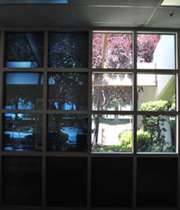
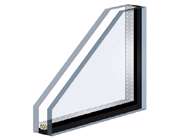

ادامه مطلب
تاريخ : جمعه ششم آبان ۱۳۹۰ | 16:22 | نویسنده : علیرضا حسینی |
تاريخ : جمعه ششم آبان ۱۳۹۰ | 16:19 | نویسنده : علیرضا حسینی |